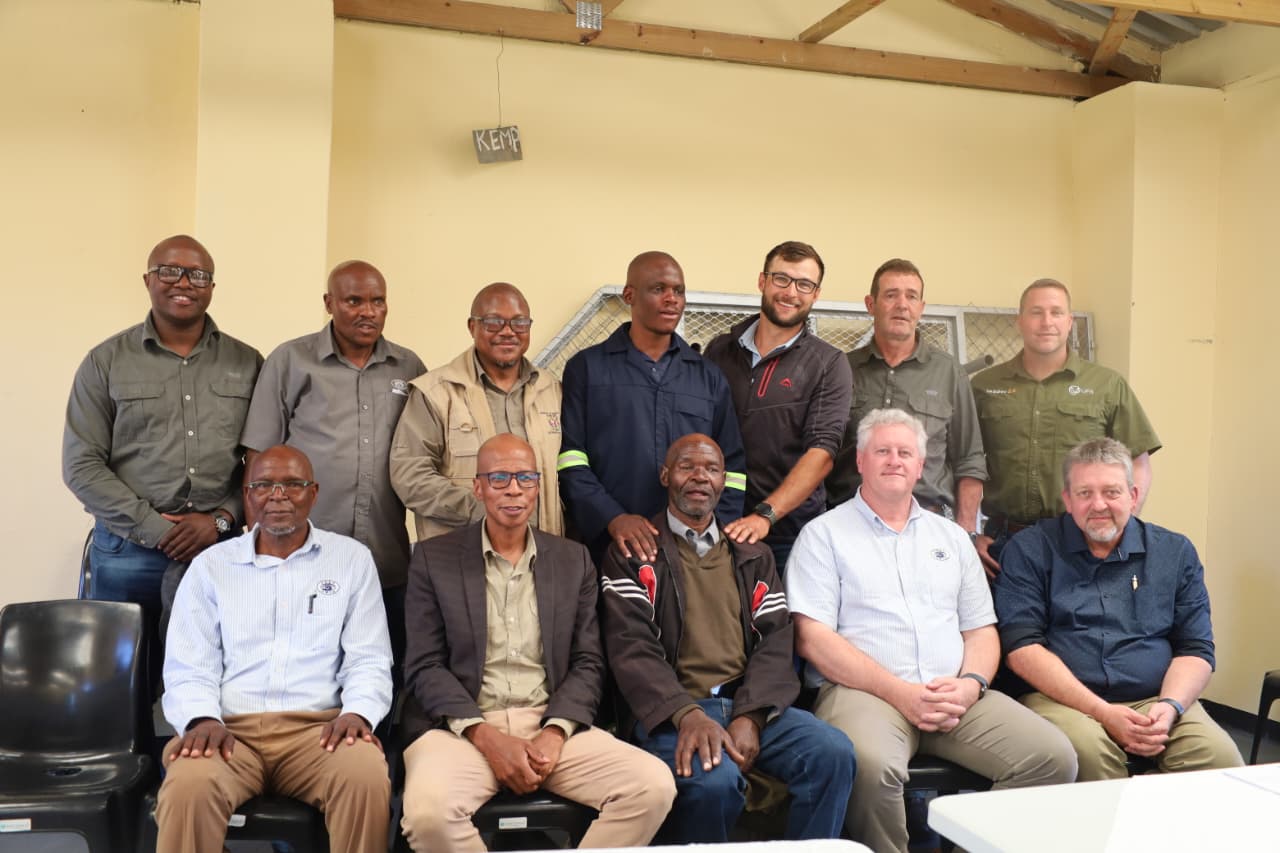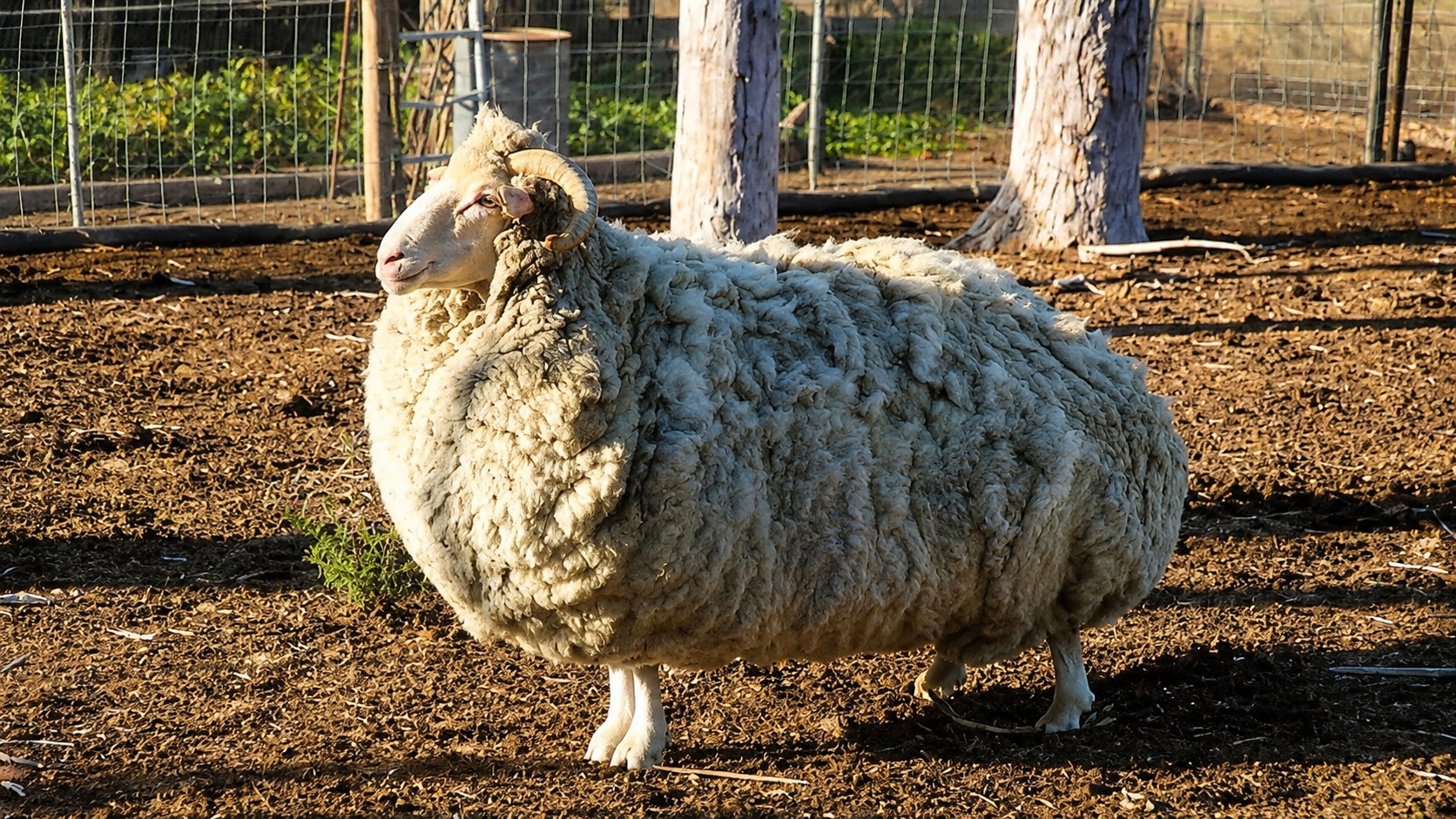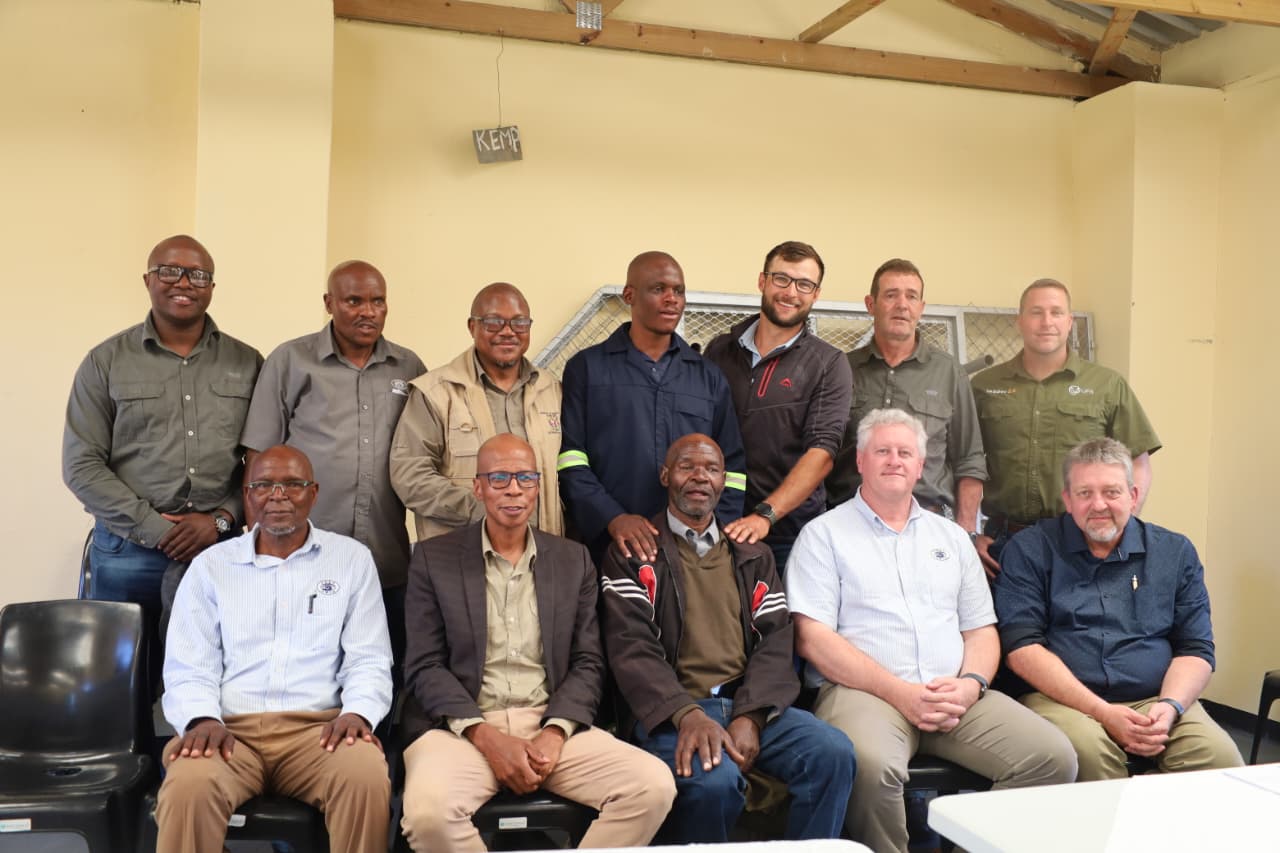
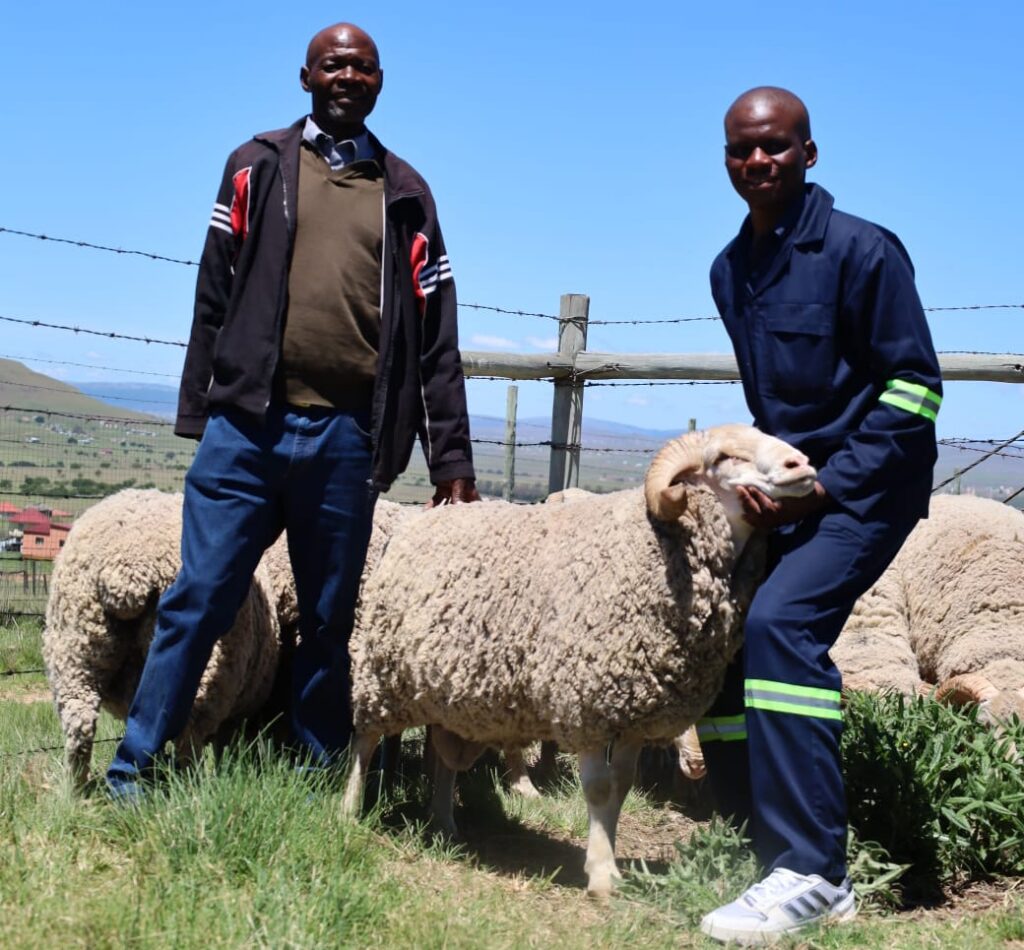
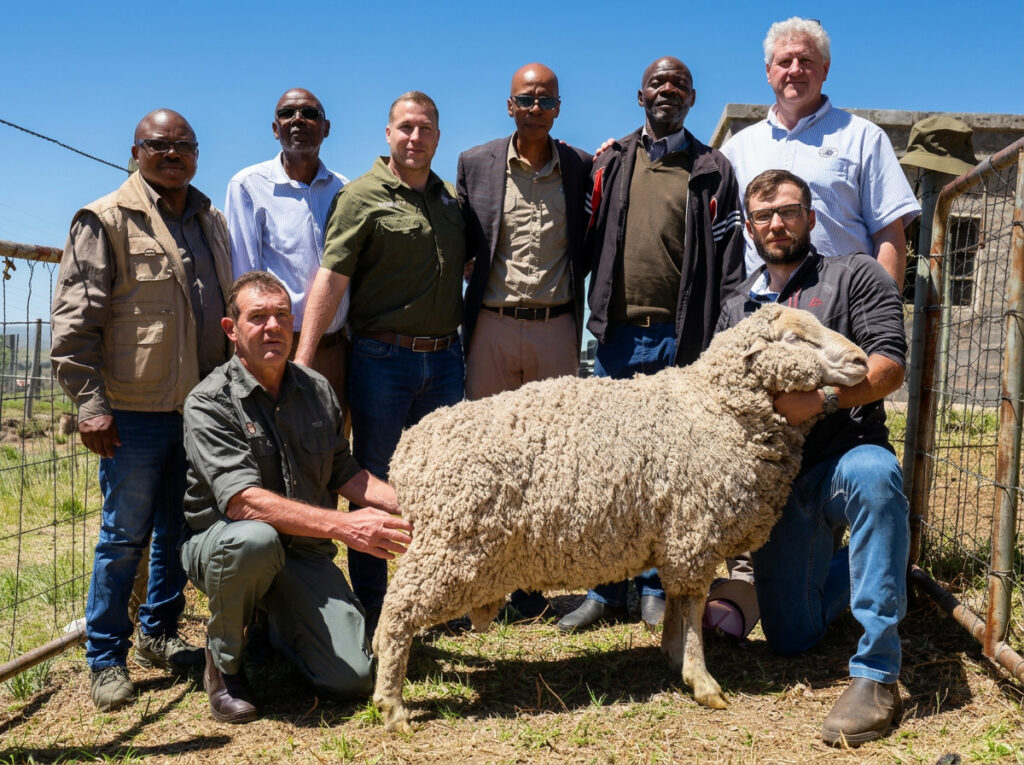
On 29 October 2026, wool growers at the Nkululeko shearing shed near Cofimvaba received eight Merino rams bred in Phila Njobe’s flock. This marks the first handover of rams from the Cairns Ram Breeding Project and could spark a growing ram programme that will change the face of communal wool production in South Africa.
The rams were handed over as part of a collaboration between the National Wool Growers Association (NWGA) in partnership with the Wool Empowerment Trust, agricultural company BKB, and the University of the Free State (UFS) under the NWGA-UFS Ram Project. Communal farmers breed the rams and receive guidance from the NWGA on flock management and genetic improvement. The project aims to improve animal productivity, strengthen household incomes, and build more resilient local economies.
“This handover marks a shift from other similar projects, as communal farmers participating in these ram projects are no longer mere recipients of rams; they are becoming breeders and suppliers of quality rams,” says Dan Kriek, general manager of the NWGA.
“We regard this event as the start of a large-scale ram programme for communal wool production in South Africa. Together with the National Department of Agriculture (DoA), Merino SA and the Dohne Merino Society of South Africa, we can once again supply communal farmers with quality rams and grow their wool production and the income it brings to rural communities.”
Building on a proven model
For many years, the NWGA and the former National Department of Rural Development and Land Reform, supported by the former Eastern Cape Department of Agriculture, managed a national ram project for communal wool growers. As part of the project, commercial Merino breeders bred around 3 000 rams a year. Ultimately, the project distributed some 50 000 rams to communal farmers.
The proof of the pudding was in sales figures. In the 2009/2010 season, communal farmers sold 2,78 million kg of wool worth R60,4 million. By 2017/2018 they sold 5,42 million kg worth R383,6 million, more than six times the value of eight seasons earlier. Wool volumes almost doubled over that period, growing by almost 9% a year, while the average price rose from R21,76/kg to R70,75/kg.
The ram project concluded in 2018/2019, and growth has since flattened out. Between 2017/2018 and 2024/2025, communal wool volumes grew by only about 2% a year, reaching 6,21 million kg. The rand value of communal wool also reflects global price cycles: prices peaked around 2017/2018 and 2018/2019, then stayed low for several seasons before recovering in the current season.
“With wool prices now between 50 and 60% higher than a year ago, the need for a new ram programme is greater than ever,” says Kriek. “Communal areas still hold large, untapped potential for wool production, and a genetic improvement programme would considerably strengthen that growth.”
The government’s Agriculture and Agro-processing Master Plan (AAMP) also envisages this. Renewed collaboration between government, industry, and farmers can help to achieve the wool production levels set out by the AAMP.
From wool grower to ram breeder
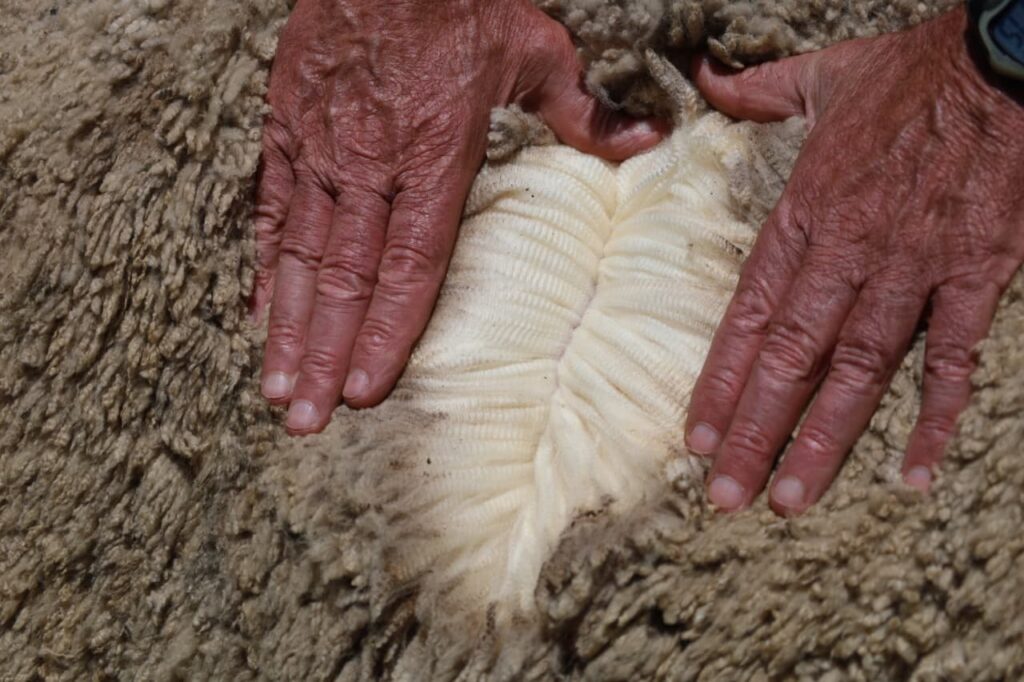
The Cairns Ram Breeding Project commenced in September 2024 at the Cairns shearing shed in the Kolomana area. Njobe runs 365 sheep and earns his income from wool. From his flock, 109 ewes with the best wool were selected and mated to four quality rams from Merino SA stud breeder Japs Jordaan of Cradock.
The flock responded quickly. The 89 ewes that lambed weaned 87 lambs, representing a weaning rate of 98%. The best ram lambs were selected, weighed and moved to Jordaan’s farm, where he raised them and they underwent a growth test. The eight rams handed over on 29 October are from this process. The nucleus flock has since grown to 191 ewes, mated in May 2026 to six rams from Andrew Jordaan’s embryo programme, which BKB donated to the project.
The goal is for Njobe to breed his own quality Merino rams and supply rams to the market.
Partnerships on more than one level
The project is a public-private partnership in more than one sense. At the organisational level, the NWGA, BKB, and the University of the Free State bring together industry, the private sector, and academia, while government has a clear role in scaling the model. BKB has supported the programme from the start, including donating six rams.
Isak Staats, executive manager of wool and mohair at BKB, says their participation in projects like these reflects the company’s commitment to improving genetics so the entire wool industry can benefit. “By uplifting smaller players and helping them to improve and upgrade their flocks’ wool quality, we can add significant value to the South African wool clip. We know our wool quality is excellent, so imagine how much better it can become if we keep improving genetics this way and elevate an already world-class clip. The economic returns will improve across the board.”
The Wool Empowerment Trust, as a strategic vehicle for empowerment in the wool industry, has been instrumental in enabling the NWGA to coordinate the ram project by funding the day-to-day running of these and other projects. The trust centralises strategic, cohesive empowerment programmes for South Africa’s wool industry and focusses directly on communal and smallholder farmers.
The UFS funds the project through its Regional Universities Forum for Capacity Building in Agriculture (RUFORUM) project. The work is part of TAGDev 2.0, which is funded by the Mastercard Foundation and supported by RUFORUM. Through TAGDev 2.0, the UFS also provides technical support for the training and job-creation work that underpins the project.
“Genetic improvement is at the heart of this project, but the real improvement happens when farmers themselves breed, manage, and benefit from their own flocks,” says Prof JW Swanepoel, director of the UFS’s Centre for Sustainable Agriculture. “These rams will be distributed to other communal farmers. Our role is to guide them, not to take over, and the work must be sustainable. When a communal farmer’s animals become more productive, the household is better off, and when enough households are better off, the whole community grows stronger economically. Jobs are being created as a result. That is what this partnership is about.”
A standout trait of the South African wool industry has always been the incredible partnerships among farmers. Commercial Merino stud breeders have mentored and partnered with new ram breeders for many years. In this instance, Japs Jordaan supplied the foundation genetics, raised and tested the young rams on his own farm, and worked alongside Njobe throughout. Andrew Jordaan’s embryo programme supplied the six rams BKB donated to the project. These partnerships enable knowledge transfer while cementing industry growth.
The next step
The project partners see the Cairns model as the foundation of a new national programme in which communal farmers will breed good rams for their own communities, while commercial breeders mentor them. In 2026/2027, four additional projects involving either individuals or shearing sheds will be undertaken.
Media enquiries:
- NWGA: For more information, contact Dan Kriek at 041 365 5030 or email dan@nwga.co.za
- BKB: For more information, contact Jacobus le Roux at 041 503 3003 or email Jacobus.leroux@bkb.co.za