

2024 NWGA National Congress
SUSTAINABLE WOOL SHEEP PRODUCTION
The annual congress of the National Wool Growers’ Association took place from 12 to 13 June 2024 in Port Elizabeth.
Jorrie Jordaan, NWGA Free State executive member opened the 94th congress with scripture reading and prayer.
National Chairman Billy van Zyl welcomed all delegates, after which Patti Myburgh constituted the congress. Mr van Zyl then delivered his policy and strategic report for the year ending June 2024.
MOTIONS
Close to home
- Mother of Kobus Grobler, NWGA production advisor.
Provincial structures
- Pieter Brink, Edenburg.
- Dons Bekker, Edenburg.
- Willie Kotze, Trompsburg.
- John Pierre Staples, Springfontein.
- Jan du Plessis.
- Tyre van Heerden, Victoria Wes.
- Jannie van Wyk, Fraserburg.
- Hentie Wiese, Loxton.
- Ben Beukes, Chrissiesmeer.
- Beitz Mentz, Middelburg.
- Mdlalo, Tsolo.
Wool trade
- Johannes (Hans) van Eyk, former Modiano SA director.
- Johan Louw (OVK).
- Koos Strydom, retired CMW, Segard Masurel wool appraiser.
- Derek Fitzhenry, former BKB manager.
Motion of commiseration
- Riana Serfontein (cancer diagnosis).
- Leona Labuschagne (translator) (stroke).
- Peter Kingwill.
Motions of congratulations
- Herman Archer (new additions to his family).
- SASSF Shearing Team (won gold at the World Championships in Scotland and was nominated in the category “Team of the Year” for the SA Sports Awards.
- Cecelia Beukes (newly elected chairperson NWGA Mpumalanga).
Elections
Billy van Zyl was unanimously re-elected and begins his fourth year as national chairman of the association. Niel du Preez was elected as national vice chairman after HB van der Walt’s withdrawal from re-election. Zolani Tsheko was re-elected as national vice-chairman, to look after the affairs of communal farmers.
AWARDS
SILVER RAM AWARD
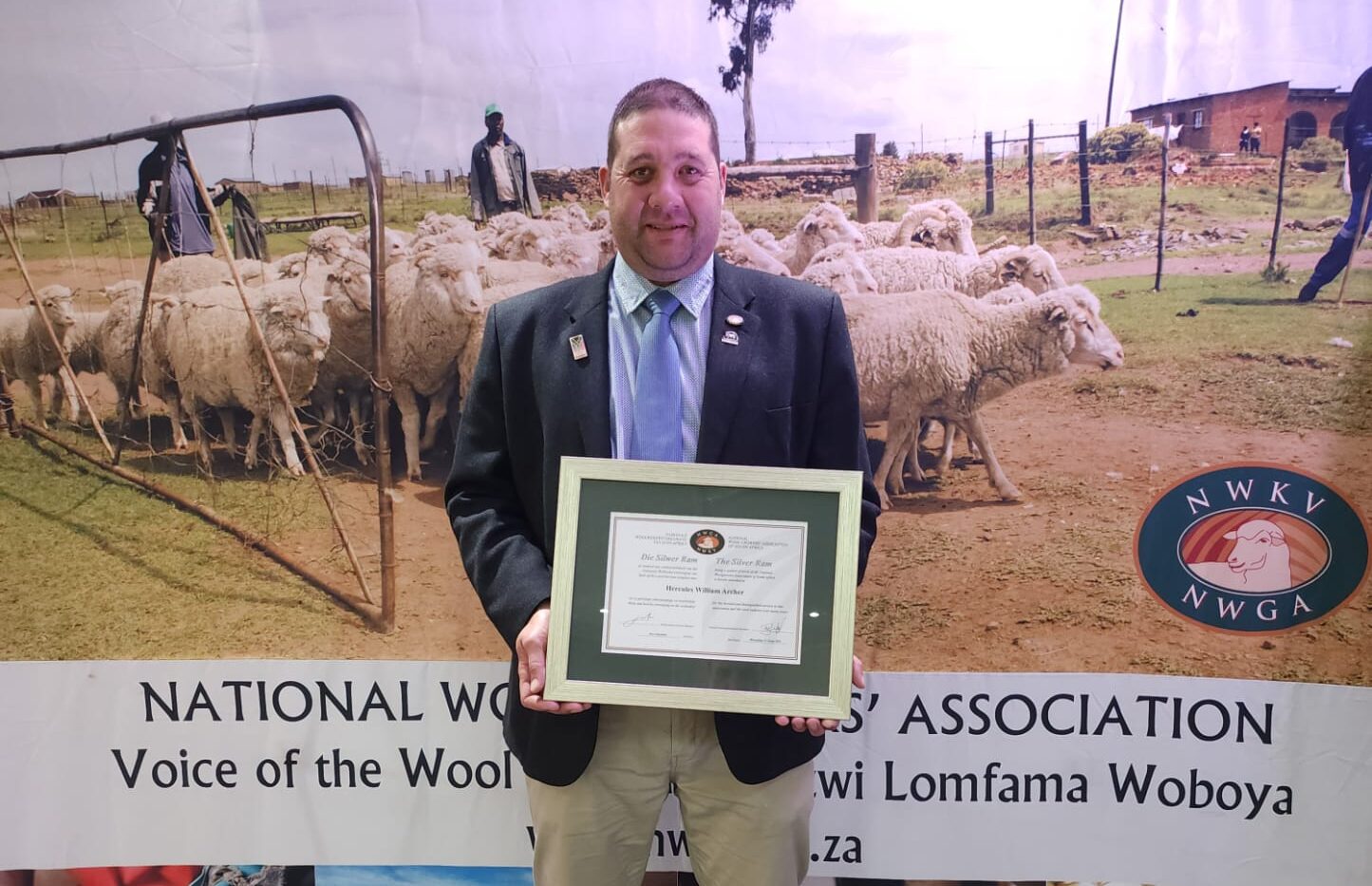
Mr Herman Archer, Free State NWGA chairman, received the prestigious Silver Ram award for his outstanding service to the NWGA.
BENNIE VAN DER MERWE FLOATING TROPHY
Congratulations to Trompsburg for winning the Bennie van der Merwe floating trophy for the best economic study group in South Africa.
Highest price of the season
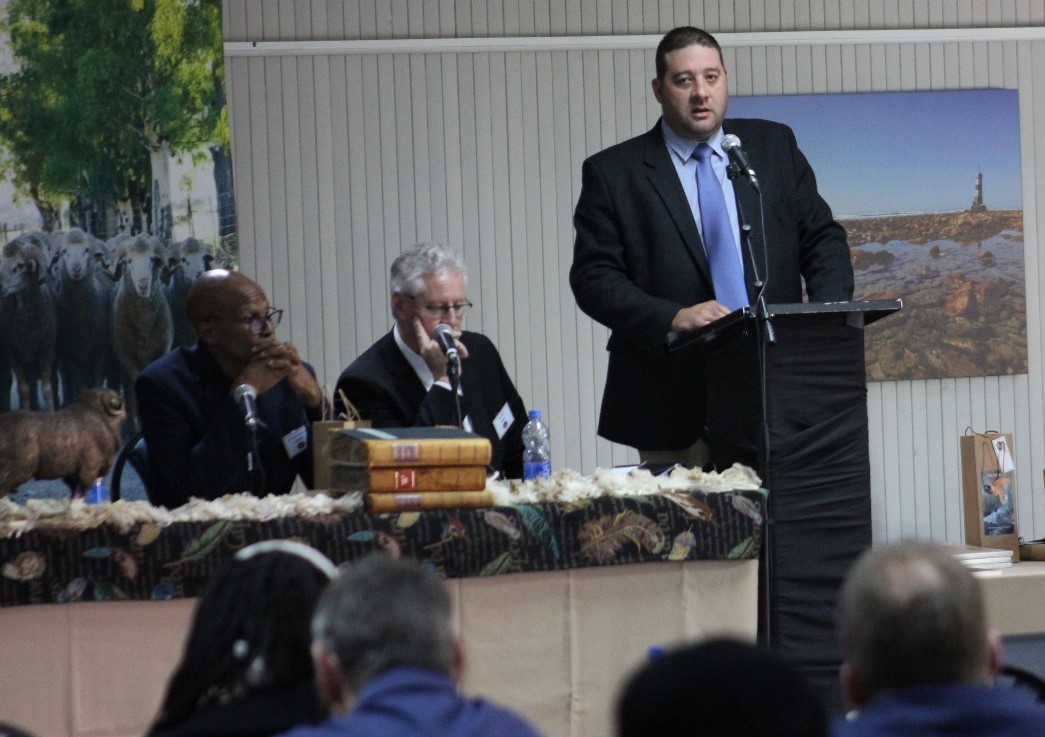
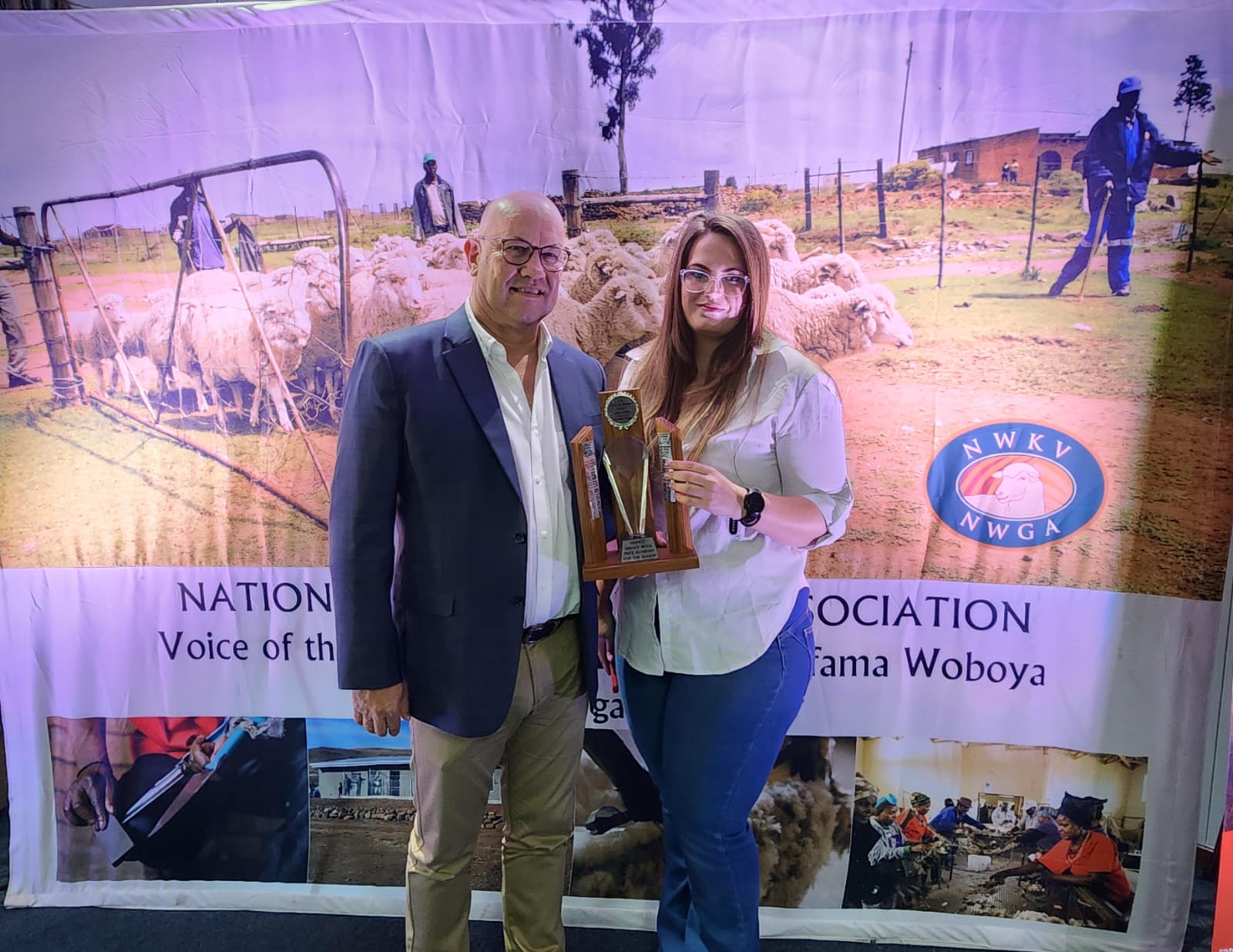
The South African Wool and Mohair Buyers Association (SAWAMBA) acknowledged the wool producer who fetched the highest price during the past season.
Although Mr Chris van Rooyen, Oorlogspoort Boerdery BK, was not present, his daughter, Dr Rize van Rooyen, accepted the award on his behalf. Standard Wool paid a record price of R300/kg for 14.3-micron wool. James de Jager, representing the broker company Segard Masurel South Africa, congratulated Oorlogspoort and honoured the opportunity to market this exceptional clip.
BEST ECONOMICALLY CLASSED CLIP - 2024
Announced by Charl Swarts from Hollard:
- Winner: Kleinbegin Boerdery (Edms) Bpk, Fraserburg.
- First runner up: Anker Karoo (Edms) Bpk, Plaatfontein, De Aar.
- Second runner up: A du T Pienaar en Seuns BK, Dieprivier, Hanover.
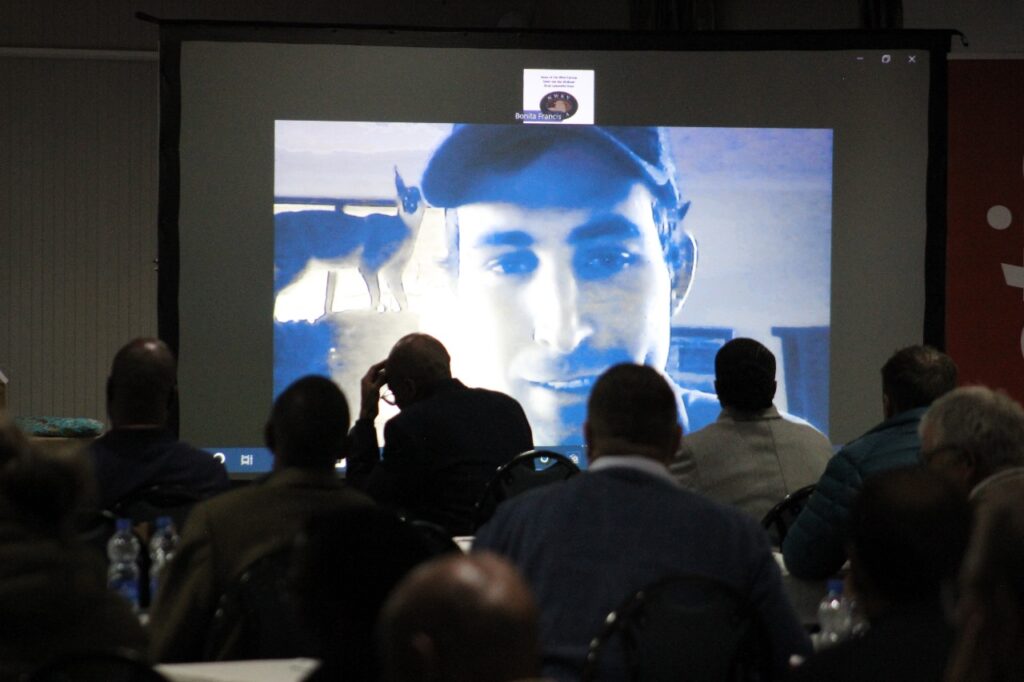
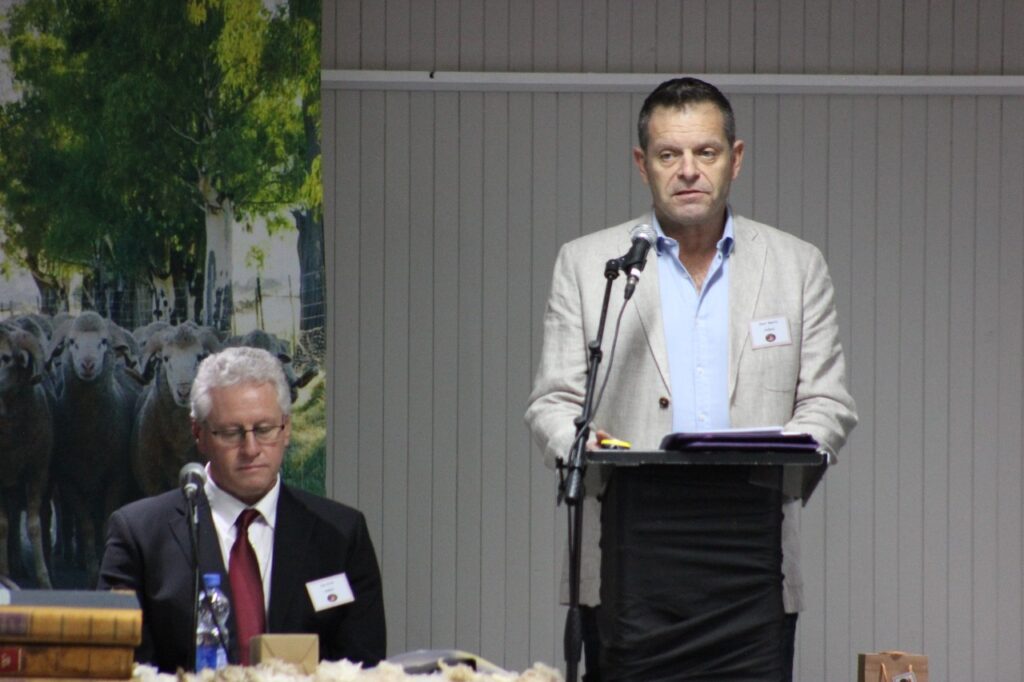
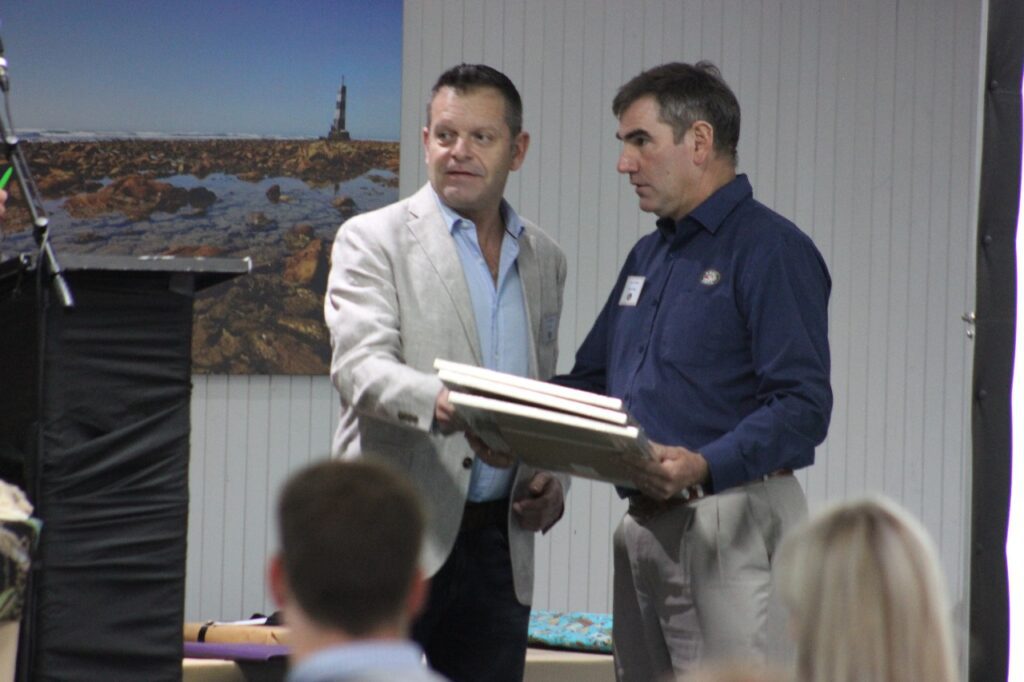
Christo Scholtz, Kleinbegin Boerdery, participated virtually to receive the award.
NWGA/ZOETIS PRESTIGE AWARDS
BEST COMMUNAL SHEARING SHEDS
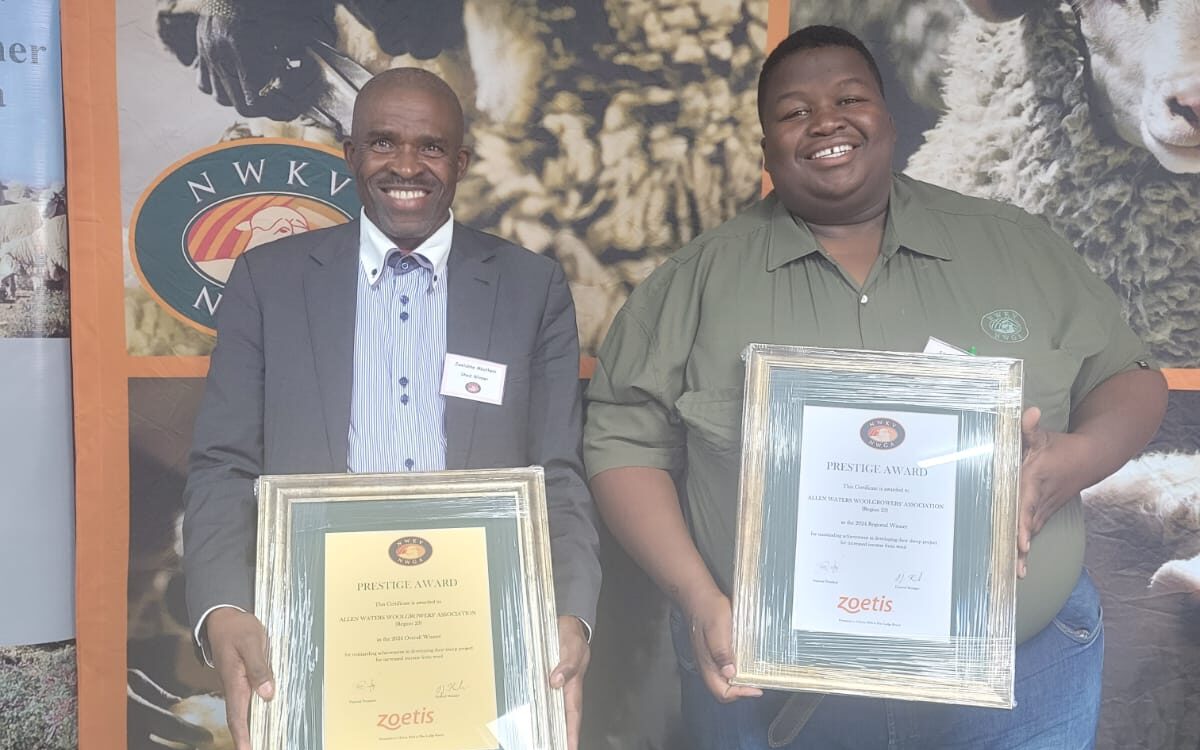
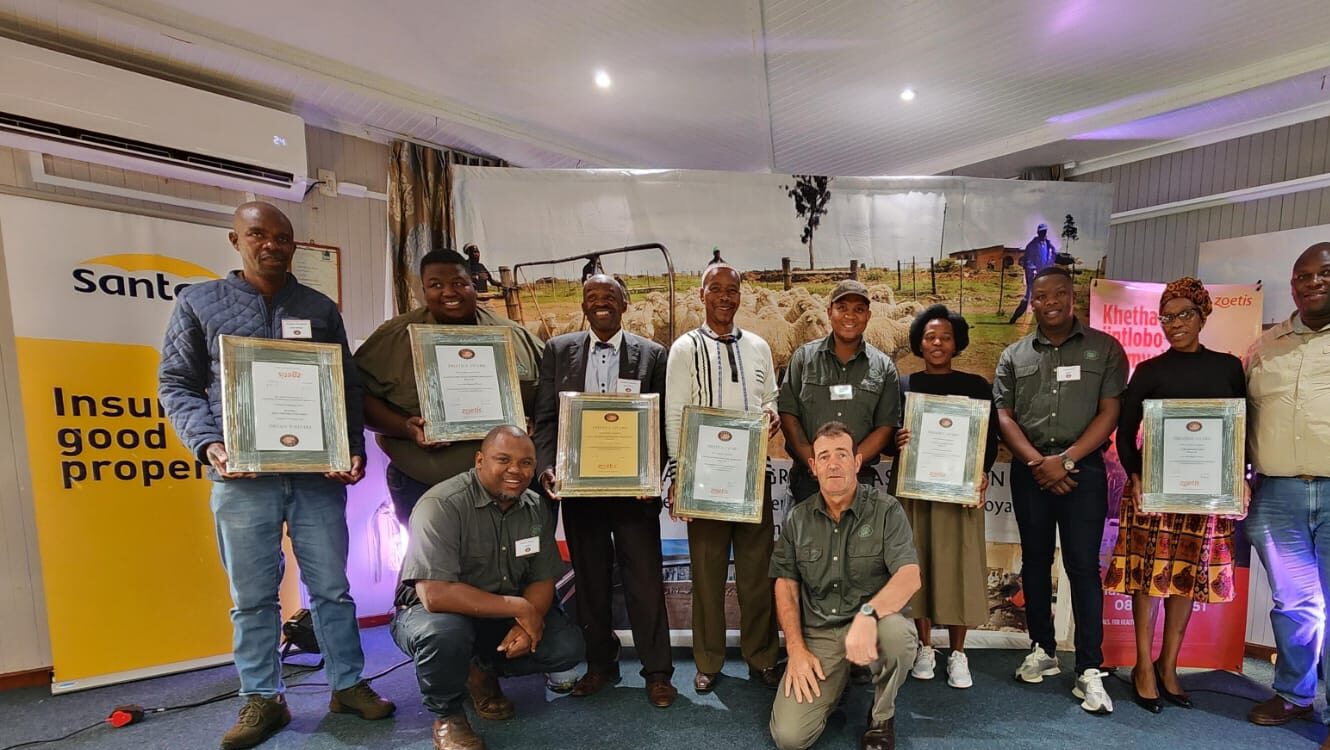
The NWGA/Zoetis Prestige Awards honours regional shearing sheds for achieving outstanding results in developing their sheep project for increased wool income. The following regional winners were announced by Willem Goosen, and overall winner was elected as Best Communal Shearing Shed.
- Region 20: Lumanyano Wool Growers, Tsolo
- Region 21: Cains 2022 Shearing Shed, Fort Beaufort
- Region 23: Allen Waters Wool Growers, Whittlesea
- Region 24: Luzie Shearing Shed, Mount Fletcher
- Region 25: Upper Tele Shearing Shed, Sterkspruit
Allen Waters hailed as overall winner in the competition.
Mr Khanyo Moshoeshoe from Zoetis presented the awards.
Mr Gerhard van Staden from Santam announced the Photo competition winners.
SESSION 1
REPORT: PRODUCTION TECHNOLOGY SERVICES & TRAINING AND DEVELOPMENT
Mr Leon de Beer presented his final report on the NWGAs production advisory services. Within the Cape Wools SA contract framework, 639 farmers and farmworkers were trained during the past year, and three shearing sheds were constructed. The NWGA study groups confirmed that animal feeds account for the largest portion of farmers’ expenses, as well as shearing costs.
At the communal monitoring farm at Mount Fletcher, propylene and plastic were identified as the sources of wool contamination. However, this type of contamination has been significantly reduced through best-practice interventions. The NWGA is also winning ground with the Sustainable Cape Wool Standard (SCWS) audits, and Izak Klopper and his team trained 608 shearers last year. Shearing as a sport is also gaining momentum, with the national championship at the Bloem Show proving to be a major success.
Billy van Zyl, national chairman, delivered his chairman’s report.
“After two years of great uncertainty, we are privileged to still be farming with wool sheep. We have overcome numerous challenges, including COVID-19, logistical challenges at the ports, strikes, load shedding, the banning of wool exports due to foot-and-mouth disease (FMD), and the like. We are still producing excellent quality wool.
“However, biosecurity is still a major challenge and must form part of every farmer’s daily practices. Even though all protocols around FMD are already in place, South African wool farmers must remain vigilant, regardless of where outbreaks may occur.
“Advisory services remain a key priority for the NWGA, along with the education around audit criteria for the SCWS, which provide sustainability and international market recognition. We are further excited about the new springbok head classification for shearer training. The wool market has largely been under pressure for the last two years, but the last four weeks have shown more stability, and there are signs of recovery from China, Italy and India.”
HB van der Walt, national vice chairman, reported on his attendance of the International Wool Textile Organisation (IWTO) congress in Adelaide, Australia. According to van der Walt, the congress delivered several important insights:
- The biosecurity working group outlined efforts to prepare member states for the impact of controlled disease outbreaks on wool production, and to ensure wool exports can continue by implementing the appropriate codes and practices in advance.
- The market information working group forecast a 3-4% increase in the wool market in the 2024/25 season.
- The sustainability working group raised concerns about the planned Product Environmental Footprint (PEF) initiative in the European Union (EU) to make garments more environmentally friendly. The problem is, currently it does not consider life cycle and microplastic pollution, and focuses primarily on land use, which favours fossil fuel-based textiles and disadvantages wool. In response, the Make the Label Count campaign was launched to promote fairer regulations, and its support is strongly encouraged.
Van der Walt also highlighted progress in Australia regarding chemical wool deposition through intravenous injection of amino acids, which biologically weaken the wool fibre attachment, allowing mechanical removal without shearing. The method shows promising results so far and no reported side effects.
He thanked Voermol for their financial contribution, which enabled him to attend the IWTO congress.
A land of “two agricultures”: How will SA overcome the challenges towards sustainable production?”
Wandile Sihlobo, chief economist: Agbiz
Reflections on South Africa’s agriculture after 30 years of democracy and the current post-election realities
“When looking back over 30 years of democracy, South Africa has grown 13% poorer in the last 15 years compared to the first 15 years after 1994. The country’s economy is projected to grow by no more than 2% over the next five years. However, the agricultural sector presents a far more optimistic picture.
“Agriculture has experienced robust growth. In many sectors, agricultural produce has even surpassed the national development plan targets. This is encouraging, but much work remains in terms of transformation. Black farmers still represent only 10% of the country’s producers. The wool industry has stood out as a positive example and in this regard.
“The new government of national unity could also benefit agriculture, fostering increased co-operation. We believe the new government should support the Agriculture and Agro-Processing Master Plan (AAMP), as it is a solid growth policy that only requires good leadership”
South Africa’s agricultural policy under the government of national unity
- Policy direction: The sector does not need a new policy, but rather efficient leadership and sharper focus on implementing existing programmes responsibilities at both national and provincial level.
- The Agriculture and Agro-processing Master Plan (AAMP): The AAMP provides a practical framework for agricultural leadership specifying critical actions in key directorates to drive substantial growth in the sector.
- Land reform: Immediately release approximately 2.5 million hectares of land within the State Land Holding Account to beneficiaries.
- Animal health: The ministerial special task team report provides clear policy guidance and actionable plans for implementation.
- Agricultural product standards: Address the practice of appointing assignees and their associated exorbitant costs.
- Registrar for Act 36: Delays and large backlogs in the Registrar’s office may slow SAs agricultural productivity.
- Agricultural exports: The inefficient ports and geopolitical tensions pose concerns for exports.
- Water: Ensure sensible collaboration with the Department of Water Affairs to improve irrigation water policy and implementation.
- Statistics: Reliable agricultural statistics across all subsectors are critical, and government performance in this area must improve.
- Rural crime: Stock theft and other criminal activities undermine investment in agriculture and the growth of small towns.
Questions:
Joseph Steyn, Western Cape, noted that 70% of income comes from meat and 30% from sheep. He questioned whether, as with maize, VAT should not be removed from meat to make it more affordable to the poor.
According to Wandile, if the South African economy is not growing, households will remain under pressure, with some already unable to afford even poultry products. However, he said the NWGA can play a role by ensuring that as many export markets for meat as possible remain open.
Japie Celliers, Mpumalanga, raised the issue of title deeds, and seeks the assistance of Wandile to influence government to provide farmers with title deeds, as it provides security and motivates a person to work harder and achieve more success. Wandile replied that beneficiaries do not get land for free, but there are structures in place whereby they have certain preferential rates to pay for the land. The DG will elaborate on the issues with regards to beneficiary selection.
"Sustainable wool: produced on a farm that is certified as sustainable"
Herman Archer (wool producer) reiterated that audits and certification should not be treated as a quick fix, but rather as a way of life. He shared practical steps he uses simplify the audit process, such as setting aside administrative time, when he does his VAT for example, to prepare the documentation for the audit. Being part of a study group and regularly updating his figures also gives him a head start. He added that using technology, such as uploading photos to his phone, makes it easy to reference situations during audits.
Jan Louis Venter (production advisor) how to conduct an audit on commercial farm
Jan Louis Venter briefly explained the procedure for conducting an audit through the CWSA Namad system, visiting the farmer and documenting the questions, whereafter it will be uploaded to the system.
Asandile Rasmeni (production advisor) how to conduct an audit on communal farm
Communal SCWS audits are tailored to assess communal farmers in their own capacity as they do not have ownership of the land that they farm on. Communal farmers are organised in approximately 1 600 shearing sheds, across the Eastern Cape.
The audit questionnaire evaluates the communal farming environment to ensure standards required by the industry are met. Questions are clustered in three categories: minor, major and crucial. The audits cover all the practices outlined in the NWGA and wool industry’s Code of Best Practice.
Mr Mooketsa Ramasodi, director general at the Department of Agriculture, Land Reform and Rural Development (DALRRD), highlighted the wool industry as an exciting and well-run sector. He noted that regular engagement between industry leaders and government has been immensely helpful, and that his department feels closely connected to this industry.
Looking ahead, the department has committed a lot of energy and money into the AAMP strategy, and he again emphasized the importance of reaching their goals in this regard. Through the AAMP, they aim to resolve existing policy conflicts, create an enabling environment for agriculture, finance relevant research and development, strengthen local food chains, and enhance food security and market expansion.
Ramasodi stressed that the biggest current threat is reckless animal movement, which disregards biosecurity measures. He reinforced that biosecurity must start at the farm level.
The department is also keen to support the wool industry in finding new international markets. The food industry has found a good formula for creating market access, and the wool industry should do the same. He encouraged the industry present plans for specific target markets that the government can then assist in developing. Additionally, the department seeks to establish a genetic improvement project, citing its clear benefits.
“Let us embrace this working partnership, as in this volatile, uncertain world, none of us can achieve alone what the collective can accomplish”.
Sustainable wool that is harvested by qualified, skilled shearers in appropriately designed infrastructure
Izak Klopper, shearer training manager, expressed enthusiasm about the launch of the NWGA shearing certificate, designed to create qualified, certified, and skilled shearers. The certificate specifies the type of sheep the shearer trained on, the instruments used, and it is officially signed by the NWGA. Producers are cautioned to beware of imitation certificates.
The NWGA can train shearers to shear confidently within two weeks. Producers are encouraged to follow the NWGAs best practices for shearers, particularly regarding working hours. Since shearers are paid per sheep, they should have eight hours of productive work, with four two-hour shifts being the most effective.
Klopper also shared practical tips for shearing infrastructure, including the use of slat floors, under-roof facilities, individual catching pens, good ventilation, etc.
SESSION 2
SUSTAINABLE WOOL: MARKETED, HANDLED AND EXPORTED AS A SAFE COMMODITY
Jacques le Roux, general manager of wool and mohair: OVK, highlighted the psychological impact of the COVID-19 pandemic on the wool industry. He urged the industry to reflect on its goals and consider how to adapt and improve operations.
He emphasised that high-quality, certified sustainable wool gives the industry a competitive edge. “Our wool is traceable and verifiable,” he said. While full digitalisation is still a work in progress, the Cape Wools SA blockchain is 99% complete. This is crucial, as buyers like H&M now require fibre linked to a standard. Standards demonstrate that wool is responsibly produced and superior to fossil fuel fibres.
Le Roux noted that these standards will have a major impact on compliance with upcoming EU textile regulations, such as the Product Environmental Footprint (PEF) and the coming compulsory Digital Product Passport (DPP).
Andrew Pape, chairperson of the South African Wool and Mohair Buyers Association (SAWAMBA), noted that the current premium for certified wool is around 3%, which is modest due to the current weak wool market. He expects that once the market stabilises, a long-term premium of about 5% is realistic.
The Responsible Wool Standard (RWS) certification remains the most widely recognised certification, but producers can also obtain Sustainable Cape Wool Standard (SCWS) certification at no additional cost, making it sensible to qualify for both. South Africa’s long-standing mulesed-free status is a significant competitive advantage.
“We are gaining a strong reputation for producing non-mulesed, certified sustainable wool, and the demand for this product is steadily increasing”.
AGRI SA STRATEGY AND THE WAY FORWARD
Johann Kotzé, chief executive officer, at Agri SA:
The World Economic Forum speaks of the five top concerns that the world is currently facing:
- Extreme weather.
- Critical changes to the earth systems.
- Biodiversity losses.
- Ecosystem collapse.
- Misinformation and disinformation.
Interesting statistics on producing food:
- World population will grow to 10 billion in 2050 (25 years from now).
- If the same standard of agricultural practice continues, another 3 billion hectares will be required to produce food.
- Africa will grow from 1.5 to 2.5 billion people.
“There are global risk factors that will impact South African agriculture and livelihoods in the years ahead, including population growth and climate change. Africa’s population is projected to grow from 1.5 billion to 2.5 billion, creating climate refugees and increasing concerns around food security. Farmers will play a crucial role in meeting these challenges.
Therefore, it is essential to bring the informal sector into the commercial fold. Agri SA believes that in this environment, we must re-emphasise agriculture as a national asset, which is why we have trademarked AgriCulture.
The government of national unity is welcomed in this regard, as it focuses on common ground and tangible outcomes rather than party politics. This is a great opportunity. The current challenge is how to organise pockets of excellence into a broader, collective excellence. Wool growers represent such a pocket of excellence, but they should not operate in isolation. Let us unite to achieve something greater.”
SESSION 3
SUSTAINABLE WOOL: PROCESSED AND MADE INTO A FINAL PRODUCT, SOUGHT AFTER BY THE SOPHISTICATED CONSUMER
Dalena White, International Wool Textile Organisation, said that global warming is no longer an option, as policymakers are now talking about global boiling. Sustainability is becoming a matter of survival, and there will be a global waste crisis.
Fast fashion is part of the problem. The number of times a garment is worn has decreased by 36% over the last 10 years, creating massive amounts of discarded waste and microplastics polluting our oceans and bodies. The EU has warned consumers to stop using fast fashion and green-washing practices. More than 60% of textiles are currently made from fossil fuel fibres. False environmental labelling is being clamped down on, but more action is still necessary.
Current footprint measuring tools, like the proposed PEF, are not working. It does not measure microplastic pollution, it does not reward biodegradability and does not take life-cycle assessment into account in a scientific manner. One cannot base decisions on skewed data sets, like those provided by manufacturers of low-cost, low-quality polyester garments. The EU is leading the charge to make textiles more sustainable. Wool already meets all the requirements being considered. “But we need to ensure that forthcoming regulations are fair”.
Deon Saayman, chief executive officer at Cape Wools SA, stated that the international market narrative is shifting, with sustainability increasingly becoming a non-negotiable for clothing manufacturers and consumers. He also highlighted the growing demand for non-mulesed wool, which is particularly significant for South Africa, since it provides a competitive advantage.
South Africa must closely monitor the EUs PEF regulations, as they are set to have significant implications. Currently, the PEF criteria do not account for plastic waste generation, microplastic pollution, or circularity. For this reason, the International Wool Textile Organisation (IWTO) created the Make the Label Count campaign, making the PEF criteria fair for natural fibres and wool. “We are adding our voice to that campaign. We have a stronger voice than people realise. South Africa is the second largest supplier of apparel wool globally.
SESSION 4 (CLOSED SESSION)
The following documents and reports were approved on the proposal of Japie Celliers and seconded by Niel du Preez:
- NWGA Annual Report 2022 /23.
- Minutes of 93rd Annual Congress, held on 1 & 2 June 2022 at the Pine Lodge Resort, Port Elizabeth.
- Statement of NWGA financial position as at 30 June 2023. A full set of audited statements is available on request at the NWGA Office.
- Constitutional Amendments.
The following constitutional amendments were proposed and approved to make provision for the appointment of the new general manager, Mr DJ Kriek:
- 2.13 “The Manager”, the general manager of the association, Mr Daniel Johannes Kriek
- 10.6 The EC authorizes the general manager, Mr Daniel Johannes Kriek and one of the nominated personnel members who have signing power on the NWGA banking accounts, to, besides usual documentation, also sign contracts, tenders etc. on behalf of the NWGA.
