Wolboer/Wool Farmer spoke to Dallas Bradfield, winner of the 2018 Best Classed Wool Clip competition, on what it takes to become the best. Because a good example is the best advice you can follow.
2018 winners
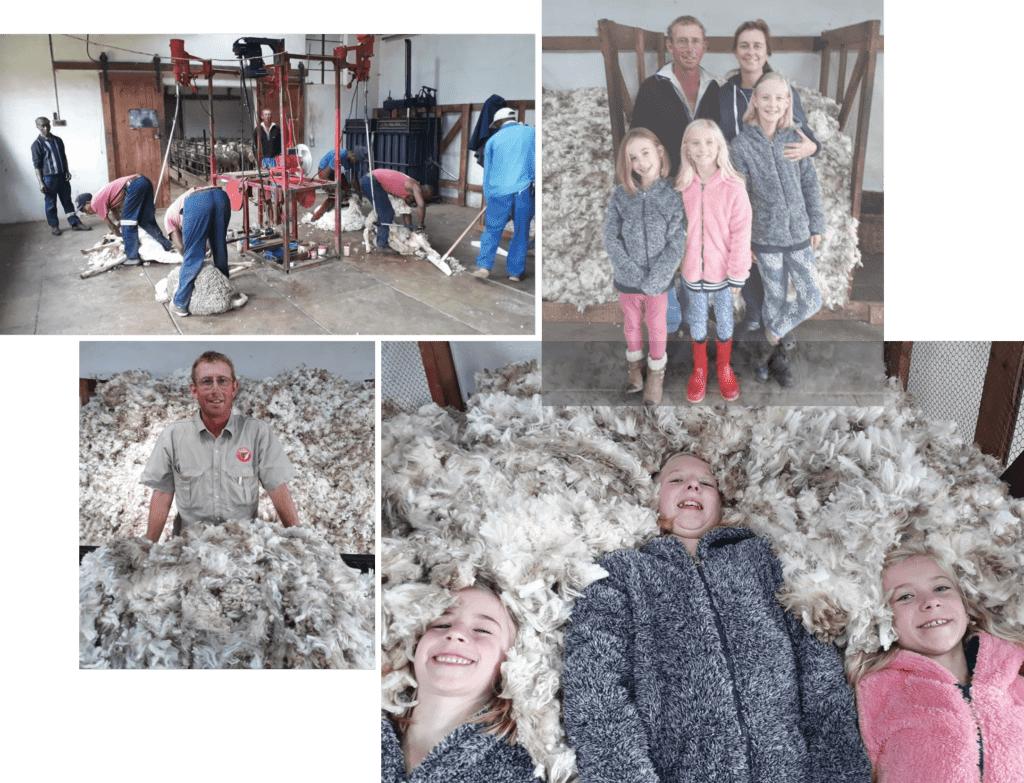
- Winner – AF Bradfield & Son, Lion Hill, Wodehouse (Dallas Bradfield).
- 2nd place – Edcot Trust, Cullean, Stutterheim (Ian and Riana Hillhouse and classer, Gary Trethaway of BKB).
- 3rd place – Kabod Boerdery (Pty) Ltd, Wolwekop, Victoria West (Pieter and Johan Jooste).
- 4th place – Quinton Wiehahn, Bamboeshoek, Wodehouse.
- 5th place – Leeuwfontein Boerdery, Victoria West.
Wool growers AF Bradfield & Son are, without a doubt, veterans in the industry.
They have been shearing wool and classing their flock for around 50 years and have also been breeding their own rams for the past 30 years. Wool is in their blood. When looking for sound advice on wool growing and shearing, you will be hard-pressed to find a better door to knock at.
Cleanliness next to (shearing) godliness
The first thing Dallas Bradfield mentions when asked about the shearing practices he champions on his farm, is that he is personally involved in the farming processes and that whenever possible he likes to be “present all the time”. He also likes to keep the farm and the shearing shed as neat and tidy as possible.
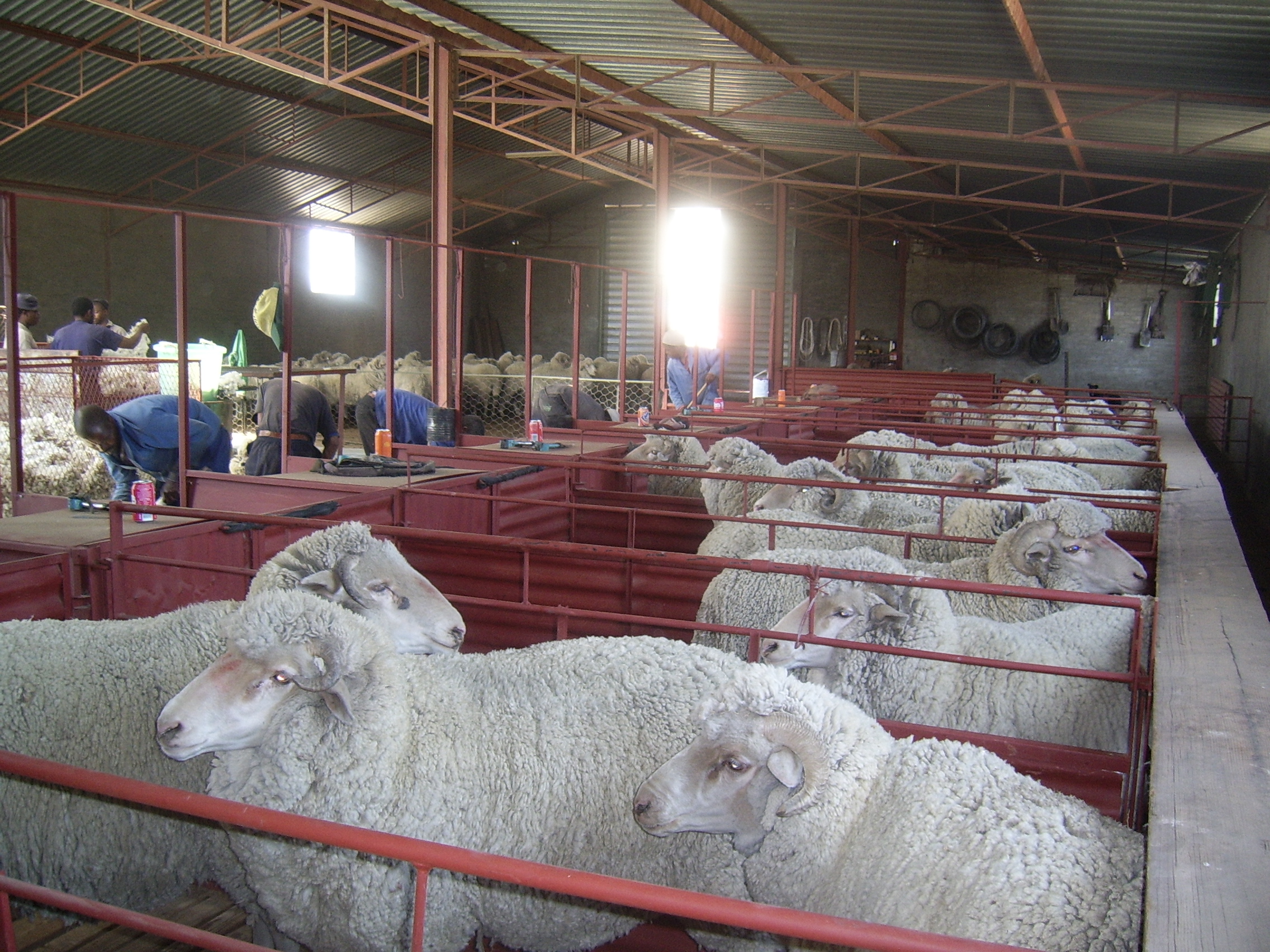
“During the year, not just at shearing time, I try to instil a general tidiness around the farm as a whole,” said Bradfield. “This is important because the cleaner your farm, the cleaner your clip. Baling twines are always being picked up so as not to contaminate wool. Discipline in and around the shearing shed are important as shearers and staff are always carting around unwanted potential sources of contamination. No smoking is allowed in the shed.” Out of season, the shearing shed is used to store tractors and general farm machinery.
Bradfield says the fact that they breed their own rams has also played a huge role in enhancing their wool clip. “Because we breed our own rams, we have a very uniform wool type in the flock. As a result, we have less variation within our wool and, therefore, fewer lines to class, which makes things a lot easier.”
Climatic conditions can also play a role when shearing time comes around and must be considered. “The climate determines how clean or dusty or how fine or strong the wool is for a particular season, so each year you have to adjust accordingly,” said Bradfield. “The most crucial factor, however, is to assemble a well-trained and supervised staff and shearing team who understand the importance of looking after an important export commodity.”
Keep it simple
His big secret, says Bradfield, is to enjoy the process and to keep it simple. “Don’t overcomplicate things or make things unnecessarily difficult in the shearing shed,” he said. “Minimise the lines you class, according to your wool and your circumstances … and enjoy shearing time!”
“A wool farmer toils hard to produce a wool clip, so to me there is great joy in classing it at the end of the process. There is no greater satisfaction than being able to send off a well-grown and an even better classed wool clip to the broker every year! We strive to deliver a clip that can be meaningful and adds value to the country’s wool industry.”
Having been crowned the winner for 2018, it’s safe to say Dallas Bradfield and his team of shearers have succeeded.