Sustainability standards in textiles, and specifically in animal fibres like wool, are something that will probably stay with us for an exceedingly long time, if not forever. But some confusion still exists as to why there are different standards and how they work. Interoperability and cooperation are becoming important to avoid audit fatigue for producers and buyers. The fact remains though, that buyers and consumers want certified sustainable wool.
The Responsible Wool Standard (RWS) has been around the longest in South Africa and has also had to evolve, grow, and gain acceptance from all role-players in the value chain.
The Sustainable Cape Wool Standard (SCWS) may be just two years young, but it has made significant progress over this period. The challenges faced by the SCWS are not unique and are similar to what RWS went through in the beginning.
Farmers will initially question the demand for the new standard and not be eager to participate in the early stages of implementation, while buyers will struggle to buy sufficient volumes of certified wool, as not enough producers participate in the standard. This creates a classic chicken-and-egg situation.
The National Wool Growers’ Association was contracted to implement the SCWS and to do the on-farm assessments. An agreement was also signed with Abelusi to harmonise the SCWS and Abelusi audits, in order to generate more value for growers with a single assessment.
Standard equivalence
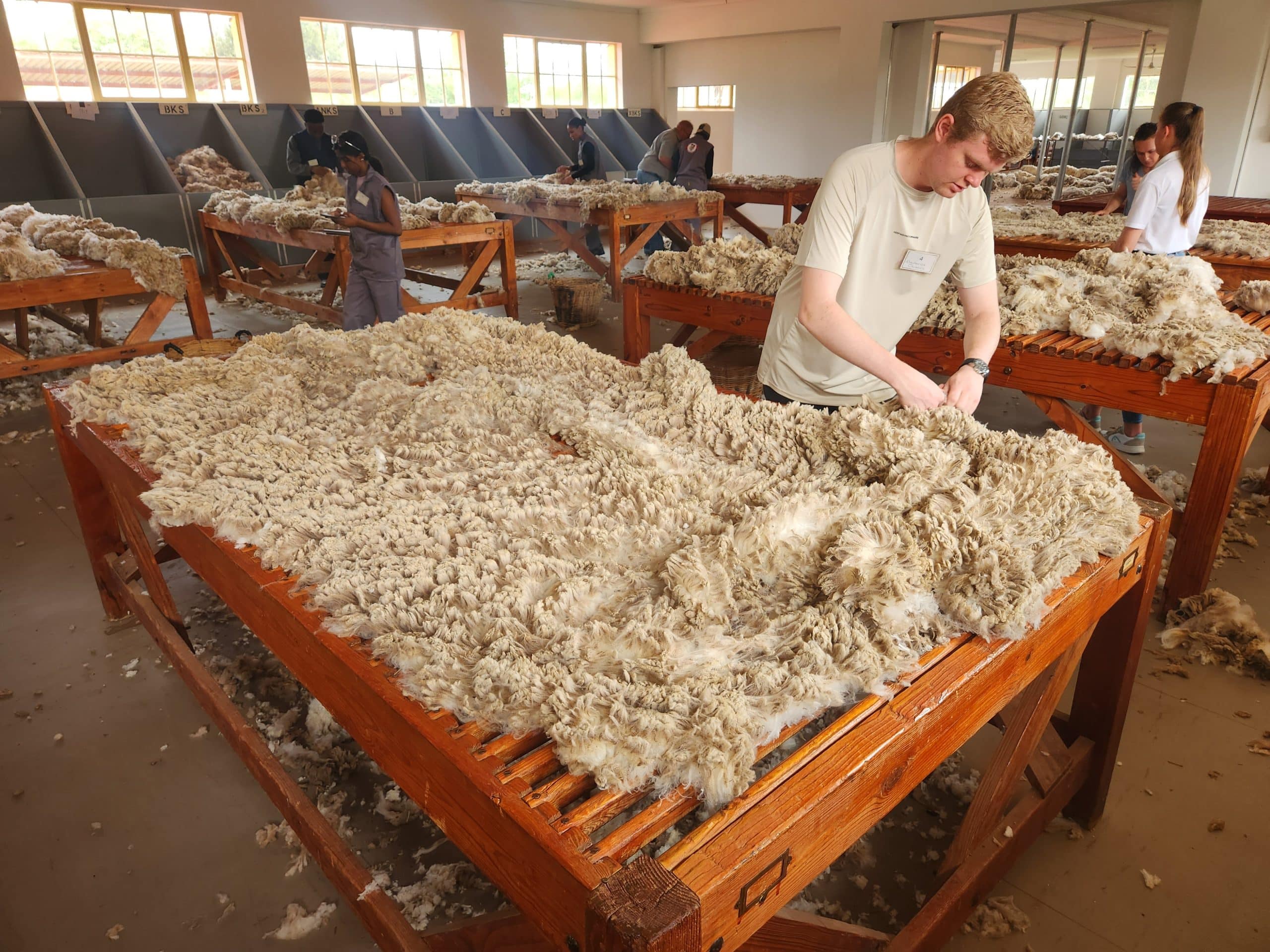
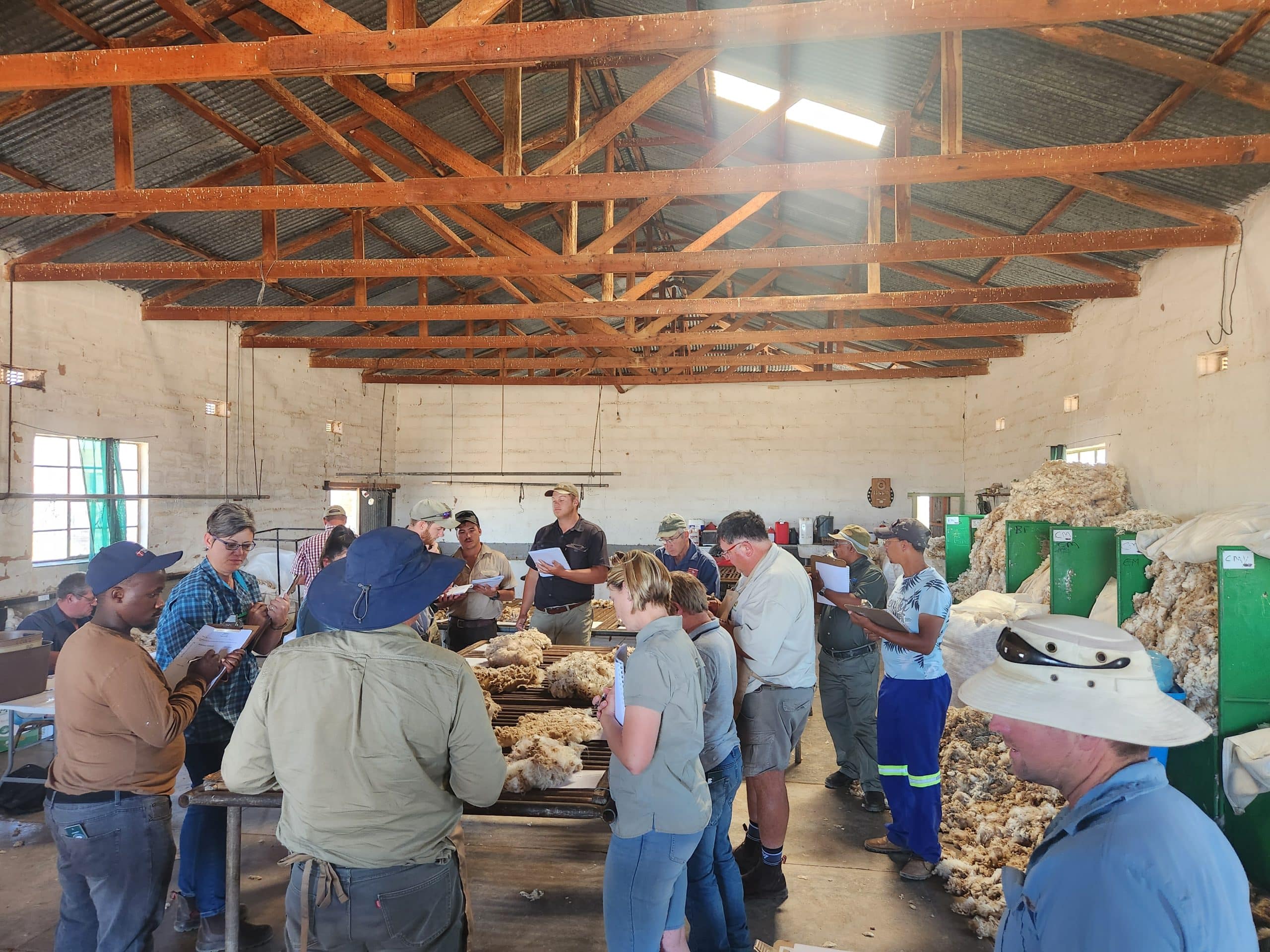
During the past two years, several enhancements were made to the SCWS, with the most significant one being the shearing module added to assess shearing facilities and processes. This was the most noteworthy difference between RWS and the SCWS. After careful consideration of how recognition could be given to an RWS assessment, it was decided that the shearing model would be modified to also enable it to function independently of the SCWS assessment.
The shearing module was then made available to all the RWS auditors to include as an add-on module at the time of doing the RWS audit. This will then give the farmer SCWS equivalence, identified by means of an SCWSe tag displayed on the auction catalogue.
It must be kept in mind that Cape Wools South Africa (CWSA) does not have access to the RWS assessment, but merely receives a ‘tag’ identifying the producer as a qualifying RWS producer. If CWSA then also receives a successful upload of the shearing assessment where the producer has met the requirements, the equivalence status will be issued, but the producer will not receive an SCWS certificate.
The SCWSe tag will provide buyers with enough qualifying wool to fill a container for their clients, without the farmer having to do an additional assessment.
Buyers pay for certified wool
Over the past six months, the premiums on the SCWS-certified wools have improved significantly, and there is no differentiation between RWS and SCWS premiums in many of the micron categories.
As the volumes of wool qualifying for the SCWSe tags increase, the differentiated reporting between RWS and non-RWS wools will become more problematic as the wool will qualify under both standards.
The future cooperation between the various standards will undoubtedly become more important in order to ensure that farmers are not further exposed to audit fatigue.
Cape Wools is currently in the process of obtaining certification from the International Organization for Standardization (ISO) for the SCWS, which will further enhance the credibility of the certification process and the standard. Essentially, such certification is a seal of approval from a third-party body that a company operates in accordance with one of the international standards developed and published by ISO.
The International Wool Textile Organisation’s (IWTO) sustainable practices working group has also formed a sub-committee under the chairmanship of Michael Jackson, called the sustainable standards task team, which is currently looking at all certification standards globally, with the ultimate goal of creating a reference document that can be utilised by IWTO members.
With the development of the South African wool industry blockchain progressing well and discussions with other developers increasing, exciting enhancements are coming to the fore which will place the South African wool industry at the forefront of a digital transformation that can add actual value for the entire wool value chain. – Deon Saayman